Our bathrooms are often overlooked hotspots for single-use plastics and unnecessary waste. From disposable razors to shampoo bottles, the average bathroom contributes significantly to environmental pollution.
According to CleanHub’s 2024 data, around 85% of plastic waste ends up in landfills, even when it’s technically recyclable. That’s a staggering amount of waste just from packaging and disposable items.
But here’s the good news: transforming your bathroom into a low-waste space is easier than you might think. With just a few small swaps and mindful decisions, you can drastically cut down on waste.
Let’s walk through how to reduce waste in the bathroom, step-by-step.
1. Assess Your Current Bathroom Habits
Before you make any changes, take a look at what’s currently in your bathroom. Open the drawers, peek under the sink, and take note of what you’re using regularly.
Most likely, you’ll find a mix of plastic-packaged products, single-use items, and maybe even things you bought but never used.
Ask yourself: Which items are used daily and thrown away quickly? Which are made of plastic or wrapped in it? Which could be swapped out for something more sustainable?
This self-audit helps you figure out what needs changing and what can stay. Awareness is the first real step toward a low-waste lifestyle.
2. Swap Out Single-Use Plastics
Single-use plastics are one of the biggest contributors to bathroom waste. The good news is that most of them have easy, affordable swaps.
Start with your toothbrush. Nearly 1 billion plastic toothbrushes are thrown away each year in the U.S. alone — as per National Geographic. Switching to a bamboo toothbrush with compostable bristles (or at least biodegradable handles) can significantly reduce this waste.
Next, consider replacing disposable razors with a safety razor. They last for years, and you only need to replace the metal blades.
For shower products, invest in refillable containers made from glass, stainless steel, or recycled plastic. Many brands now offer refill stations or bulk options that reduce packaging waste. These simple swaps may seem small, but over a year, they keep a lot of plastic out of landfills.
3. Opt for Sustainable Personal Care Products
Your skincare and hygiene routine doesn’t have to rely on synthetic ingredients and plastic packaging. Brands have come a long way in offering eco-conscious options. Shampoo and conditioner bars are a great example. They eliminate the need for plastic bottles and often last longer than liquid versions.
Look for products made with natural, biodegradable ingredients and packaged in compostable or recyclable materials. Items like toothpaste tablets, deodorant in cardboard tubes, and facial cleansing bars are now widely available. Not only do these options reduce your plastic use, but they’re also often gentler on your skin.
This is also a great time to rethink how many products you really need. Embracing a more minimalist routine naturally creates less waste.
4. Implement Water-Saving Fixtures
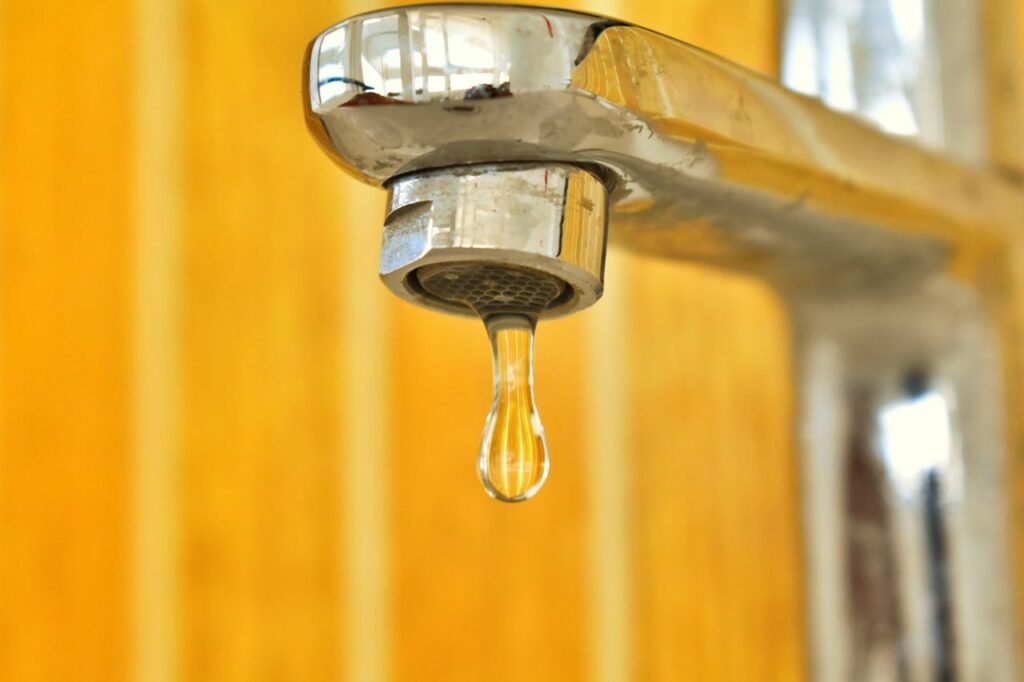
Waste reduction isn’t just about trash. It includes conserving water, too. The bathroom is a huge water-use zone. In 2025, it’s estimated that an average American household could save up to 10,000 gallons of water per year simply by switching to low-flow fixtures.
Installing a low-flow showerhead or faucet aerator reduces water use without sacrificing water pressure. Consider a dual-flush toilet, which uses less water for liquid waste and more for solid waste. These upgrades pay off quickly in reduced water bills and environmental impact.
Taking shorter showers and turning off the tap while brushing your teeth also help conserve water daily. Sure, they’re small habits, but with big differences.
5. Choose Eco-Friendly Toilet Paper
Toilet paper is something most of us use every day without a second thought. But traditional toilet paper production consumes massive amounts of water and contributes to deforestation.
Switch to recycled toilet paper or toilet paper made from sustainable materials like bamboo. Bamboo grows quickly and requires far less water and land than traditional tree farming. In 2024, demand for bamboo-based paper products has grown significantly, with many consumers reporting satisfaction in both softness and sustainability.
Also, look for brands that offer plastic-free packaging or wrap rolls in recyclable paper instead of plastic. These choices support the environment at every step of the product’s lifecycle.
6. Incorporate Reusable Alternatives
So many common bathroom items are disposable. However, they don’t have to be. Swap out cotton rounds for washable cloth pads. They work just as well for removing makeup or applying toner, and you can toss them in the laundry with your towels.
Menstrual products are another area with high waste potential. Try switching to a menstrual cup, period underwear, or reusable cloth pads. Not only do they reduce waste, but they’re also more cost-effective over time.
Replace paper towels with small washcloths or rags for cleaning. Even Q-tips now come in reusable silicone versions. It’s all about finding swaps that work for you and your routine.
7. Recycle and Compost Appropriately
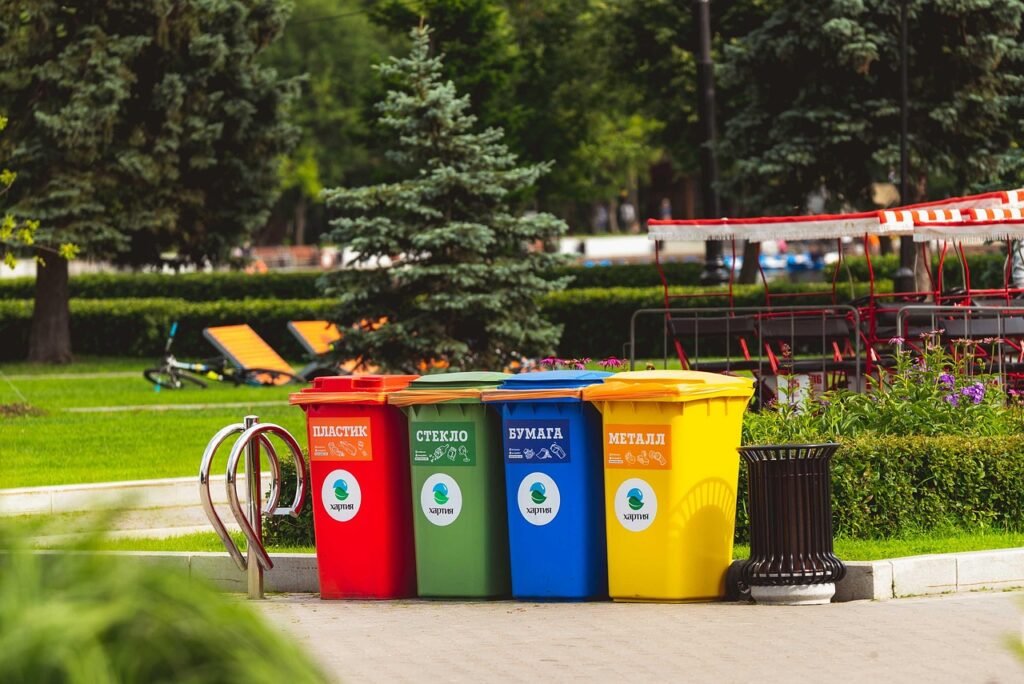
Recycling in the bathroom often gets ignored. Most people have a recycling bin in the kitchen, but not in the bathroom. Adding a small bin for recyclable items like cardboard toilet paper rolls, shampoo bottles, and product packaging can make a big difference.
Be sure to rinse containers before recycling, and check your local recycling rules—some plastics that look recyclable aren’t accepted everywhere. You can also compost unexpected items like hair, nail clippings, and cotton swabs (with paper sticks). These break down just fine in a home compost setup.
It’s all about being intentional with disposal. If something can be reused, recycled, or composted, make that the default.
8. Educate and Involve Household Members
One of the most powerful things you can do is get others involved. A low-waste routine becomes much easier (and more sustainable) when it’s a team effort.
Explain why you’re making changes and share the benefits. Let everyone try out the new swaps, like a shampoo bar or bamboo toothbrush and give feedback. Place reminder notes or helpful signs near new systems, like compost bins or refill stations.
When the whole household is on board, it becomes second nature. Plus, it sets a great example for kids and guests, creating a ripple effect of low-waste awareness.
Conclusion
Starting a routine isn’t about perfection. It’s about progress. Each swap you make, each bottle you refill, each item you compost; it all adds up.
When you look back after a few months, you’ll notice less trash, cleaner shelves, and maybe even more appreciation for your everyday rituals. You’ll also know that you’re part of something bigger: a movement toward a more sustainable world.
So take it one step at a time. Start with a toothbrush. Or a shampoo bar. Or even just noticing your habits. Small actions matter. And you’ve already taken the first one by reading this.


I dugg some of you post as I thought they were handy invaluable
I dugg some of you post as I cogitated they were invaluable very useful
Along with the whole thing which seems to be building throughout this specific area, a significant percentage of points of view are actually fairly stimulating. Nonetheless, I beg your pardon, but I do not give credence to your entire idea, all be it radical none the less. It would seem to us that your remarks are actually not completely validated and in simple fact you are yourself not really entirely certain of the point. In any event I did appreciate looking at it.
Its such as you learn my mind! You seem to grasp so much about this, like you wrote the e book in it or something. I believe that you just could do with a few to pressure the message home a bit, but other than that, this is magnificent blog. An excellent read. I’ll certainly be back.
Nicely delivered